
LSU College of Science Recognizes 2026 Hall of Distinction Honorees
March 26, 2026
BATON ROUGE – The LSU College of Science proudly announces its 2026 Hall of Distinction inductees, recognizing their lifetime of service, scientific achievements, and dedication to LSU.
For more than 20 years, the College has honored individuals who exemplify excellence
and a deep commitment to advancing science. This prestigious distinction celebrates
those who have made a lasting impact on the College, the University, and the science
community. On Friday, March 27, three exceptional individuals will be formally inducted
into the 2026 Hall of Distinction.
2026 Hall of Distinction Honorees
Michael L. Cherry, PhD - Professor Emeritus, LSU Department of Physics & Astronomy; Former Chair, Department of Physics & Astronomy and Department of Chemistry
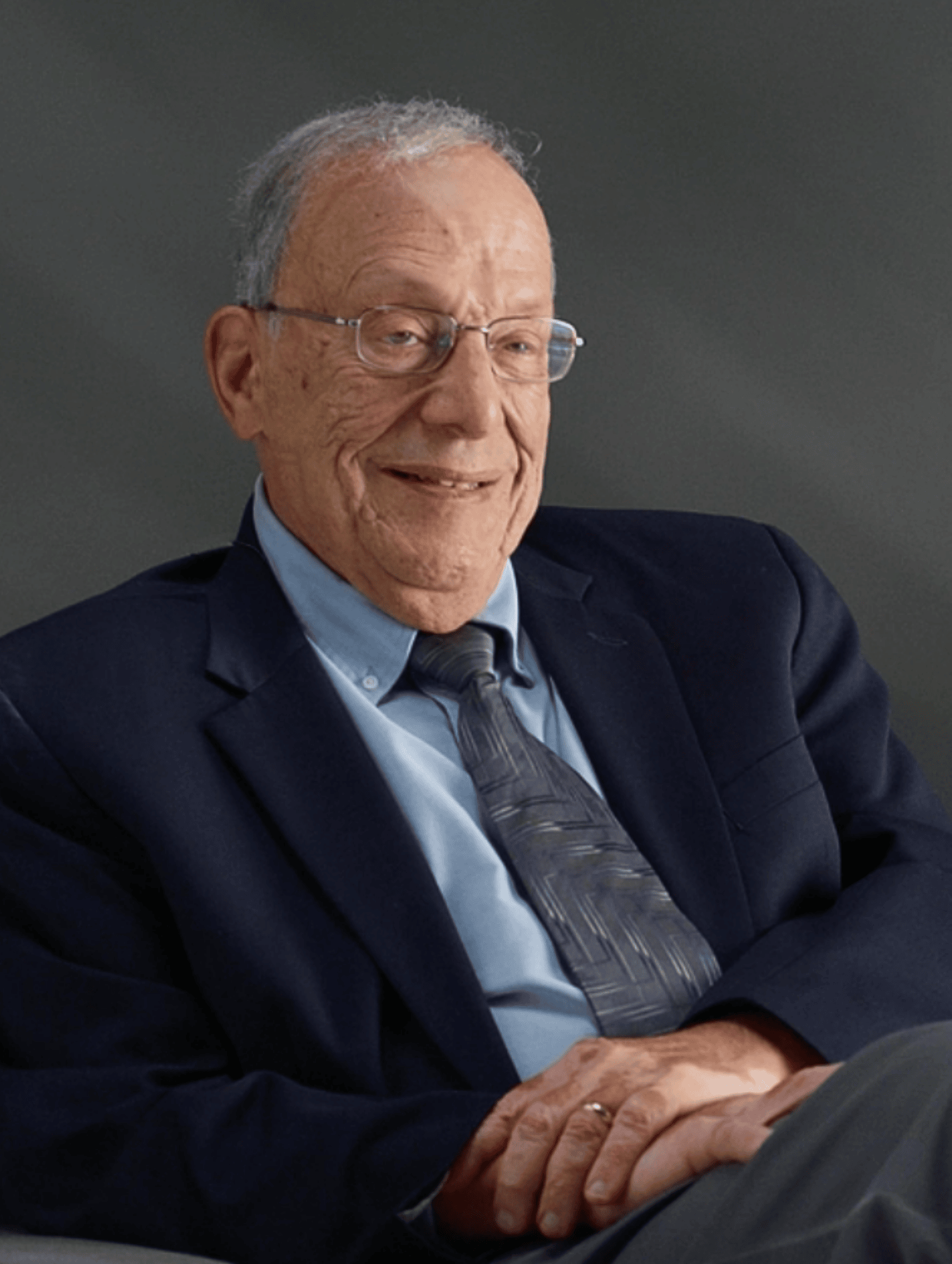
Dr. Michael L. Cherry is a leading figure in high-energy astrophysics whose career helped establish LSU as a national presence in space science. His research has advanced the understanding of the galaxy through the detection of gamma rays, high-energy cosmic particles, and neutrinos from space.
Cherry earned his PhD from the University of Chicago in 1978 and joined the LSU faculty in 1988 following research appointments at the University of New Hampshire and the University of Pennsylvania. He was promoted to full professor in 1993 and retired as professor emeritus in 2020 after more than three decades of service.
His work spans experiments conducted deep underground to detect solar neutrinos and space-based missions measuring cosmic rays aboard the International Space Station. Cherry contributed to major international collaborations, including the Soviet-American Gallium Experiment (SAGE), which helped launch the field of neutrino oscillation studies, and the CALorimetric Electron Telescope (CALET) operating on the ISS. His research has also led to discoveries in gamma-ray astronomy, black hole systems, and terrestrial gamma-ray flashes associated with thunderstorms.
Over his career, Cherry authored more than 125 peer-reviewed journal articles and more than 400 publications overall, with his work cited more than 16,000 times. As principal investigator or co-investigator on approximately 80 grants totaling $25 million, he played a central role in building LSU’s research capacity in astrophysics. He also mentored numerous graduate students, postdoctoral researchers, and undergraduate scholars, many of whom contributed to published scientific work.
In addition to his research, Cherry provided extensive leadership to the College of Science. He served multiple terms as chair of the Department of Physics & Astronomy, where he led strategic hiring initiatives that strengthened research in condensed matter physics and quantum gravity. He later served as chair of the Department of Chemistry, guiding the unit through a critical period of transition and planning. His efforts in faculty recruitment, development, and retention significantly shaped the trajectory of both departments.
Cherry also worked to expand collaboration and access in science, serving as principal investigator of programs that built partnerships between LSU and Southern University Baton Rouge, as well as broader NASA-supported collaborations across the region. His commitment to mentorship extended across institutions, including historically Black and Hispanic-serving universities.
A respected voice in the national scientific community, Cherry held numerous advisory roles with NASA and served on the Executive Committee of the Division of Astrophysics of the American Physical Society. At LSU, his service included leadership roles on the Faculty Senate, the Council on Research, and multiple university committees focused on academic policy and student success.
Through his research, leadership, and mentorship, Dr. Michael L. Cherry has left a lasting impact on LSU and on the field of astrophysics.
Cynthia B. Peterson, PhD - Dean Emerita, LSU College of Science

Dr. Cynthia B. Peterson is a visionary leader and distinguished biochemist whose tenure as dean transformed the LSU College of Science and elevated its impact in research, education, and student success.
Peterson served as dean from 2014 to 2025, becoming the first woman to lead the College. During her tenure, she oversaw the recruitment of more than 100 faculty members, led major growth in extramural research funding, and developed the College of Science Master Plan, which laid the foundation for the new Our Lady of the Lake Health Interdisciplinary Science Building. She secured broad support from the state, healthcare partners, and private donors to bring this vision to life and position the College for long-term growth. Under her leadership, the College strengthened its national profile and expanded interdisciplinary research and teaching.
A champion of student success, Peterson launched the freshman seminar “Becoming a Scientist,” now serving more than 1,000 students annually, and established the Office of Academic Innovation and Engagement to strengthen student support and professional development. Through this effort, she advanced programs such as SCI-Lead, a leadership learning laboratory that develops students’ professional and interpersonal skills, and FACES, an initiative focused on cultural engagement and effective mentoring to foster inclusive learning environments. As principal investigator of the LSU Beckman Scholars Program and a leader in the Howard Hughes Medical Institute Driving Change initiative, she expanded access to undergraduate research and advanced inclusive excellence in STEM education. Peterson also led the development of new academic programs, including an interdisciplinary major in Applied Data Science, and strengthened the College’s focus on science communication.
In addition to her administrative leadership, Peterson is an accomplished scientist whose research on serine protease inhibitors, particularly plasminogen activator inhibitor-1 (PAI-1), has advanced understanding of blood clotting, inflammation, wound healing, and cancer-related processes. She has led and collaborated on numerous federally funded research projects supported by NIH, NSF, and the Department of Defense, with findings published in leading scientific journals and shaped through national and international collaborations.
A Louisiana native, Peterson earned her BS in biochemistry from LSU and her PhD from LSU Health Sciences Center Shreveport. After postdoctoral training at the University of California, Berkeley, she held faculty and leadership roles at the University of Tennessee before returning to LSU. Her leadership and impact have been recognized with honors including being named one of the Baton Rouge Business Report’s “Influential Women in Business” and receiving the Esprit de Femme Award from the LSU Women’s Center.
Through her leadership, scholarship, and commitment to students and faculty, Dr. Cynthia B. Peterson has left a lasting legacy on LSU, one that continues to shape the College’s trajectory in research, education, and opportunity.
Thomas C. Shirley, PhD - Alumnus, LSU Department of Biological Sciences
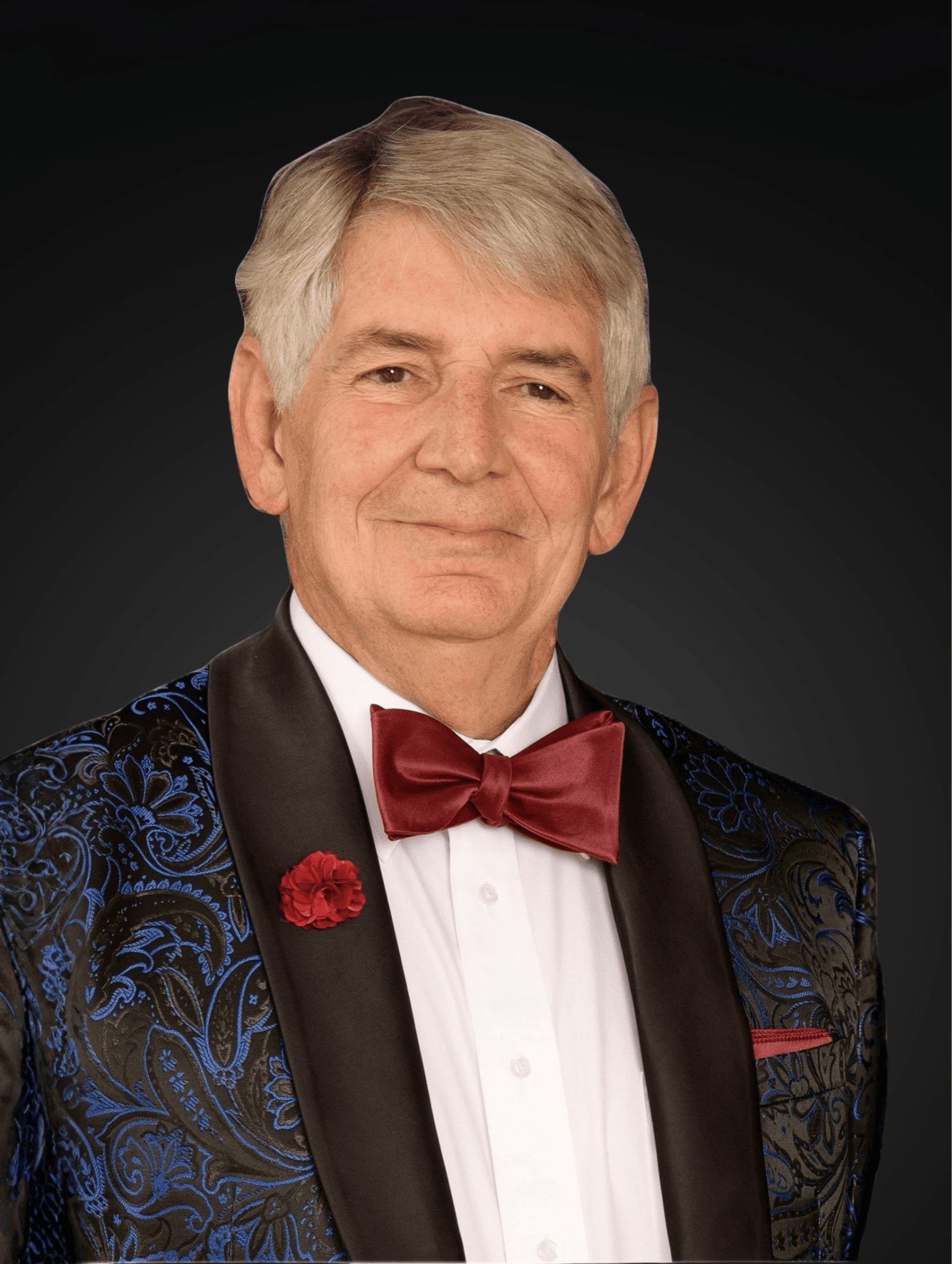
Dr. Thomas C. Shirley is an internationally recognized marine scientist and distinguished LSU alumnus whose career has advanced understanding of marine invertebrate biology, deep-sea ecosystems, and fisheries science. He is also widely recognized for his commitment to supporting future generations of scientists through sustained mentorship and philanthropy.
Together with his wife, Susan Shirley (MS, LSU), he has made significant contributions to higher education, including a transformative legacy gift to the LSU Foundation to establish an endowed fund supporting graduate student travel in the Department of Biological Sciences. The Shirleys have created similar programs at other institutions, reflecting a long-standing dedication to student success and scientific training.
Shirley earned his PhD from Louisiana State University in 1982 in zoology and physiology, with a minor in marine science. He began his academic career at LSU and went on to hold faculty positions at the University of Alaska Fairbanks and Texas A&M University–Corpus Christi, where he served as the Endowed Chair of Biodiversity and Conservation Science at the Harte Research Institute. He retired in 2013 as professor emeritus and is also recognized as professor emeritus at the University of Alaska Fairbanks.
His research spans a wide range of marine systems, including the ecology and physiology of marine invertebrates, deep-sea community structure, seamount ecosystems, and the biology of commercially important crustaceans. Shirley led numerous deep-ocean expeditions using the DSV Alvin submersible, contributing to groundbreaking studies of some of the most remote regions of the ocean. His work has informed both fundamental science and applied fisheries management, particularly in Alaska.
Over his career, Shirley published 172 peer-reviewed articles along with book chapters and symposium contributions. He secured research funding from a range of federal and private sources and mentored more than 30 graduate students as major professor, in addition to serving on dozens of graduate committees. His students have gone on to careers in academia, government agencies, and international research institutions.
In addition to his research and teaching, Shirley provided significant leadership and service to the scientific community. At the University of Alaska Fairbanks, he served as director of the Division of Fisheries, supporting research and policy related to Alaska’s fisheries. He also contributed to editorial boards, national review panels, and professional organizations.
Shirley has maintained a strong connection to LSU throughout his career as a collaborator, mentor, and supporter of the College of Science. Through his research, leadership, philanthropy, and dedication to students, Dr. Thomas C. Shirley has made lasting contributions to marine science and to LSU.